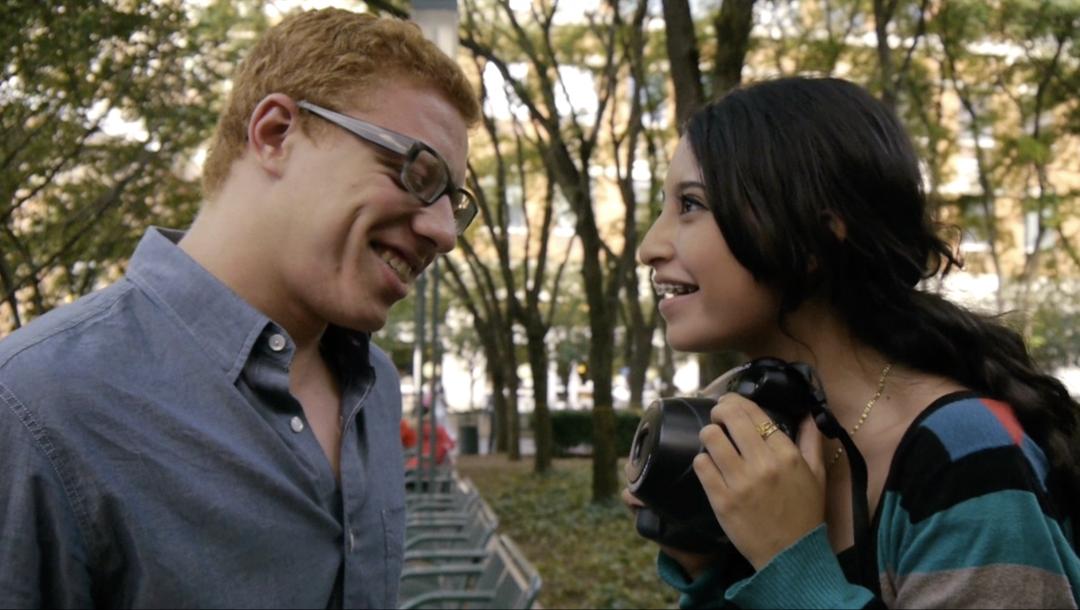
Core Filmmaking is SOCAPA's most popular summer film camp intensive. Equivalent to a college level introduction to filmmaking course, Core Filmmaking is a fun, hands-on introduction to narrative filmmaking that challenges students to write, directs and edit their own films. Each young filmmaker also has the opportunity to work as a Director of Photography, Sound Technician, or Production Assistant as they crew on their classmates' films.
Most students take the course for the full three weeks but there is also a shorter two week option where they do not make the final "Kubrick" project.
Filmmaking is best learned through experience and only improves with practice. The experience of making a film is different every time and therefore presents endless opportunities for learning and experimentation. Each film project poses a different and progressively more complex challenge, providing students with the chance to quickly build on their skills and grow as filmmakers. By making a film a week SOCAPA students become familiar and skilled at the process and production required to make a movie, knowledge they can take home with them and continue to apply to future films and other creative projects.
Monday and Tuesday, in the mornings, SOCAPA film students take their main Writing and Directing classes. In Writing class, students generate ideas, learn fundamentals of three-act structure, and workshop their scripts. In Directing class, they learn the basics of film language, camera placement, and shot construction.
In the afternoons, students take technical camera and sound classes. In Cinematography class, students are introduced to the digital cameras that they will use. After in-class demonstrations, students conduct exterior shooting exercises and then come back and review the footage in class. In Sound class, students discuss the best strategies for recording high quality production audio and learn to use handheld audio recorders, a variety of microphones, and production slates.
SOCAPA offers the immediate opportunity to learn the most recent advancements in digital technologies. In the Core Fimmaking intensive, students will be using state-of-the art 4K video cameras. All students are encouraged to edit on Adobe Premiere Pro, the current industry standard (students with experience editing in other software may consult their film instructor for permission to use an alternative editing system).
Core Filmmaking also introduces students to the Hollywood method of dual-system, sync-sound production where the image and the sound are recorded by separate crew members, the cinematographer and the sound recordist. Students will learn how to use professional audio recorders and production slates on set, and learn to 'sync' their audio in post.
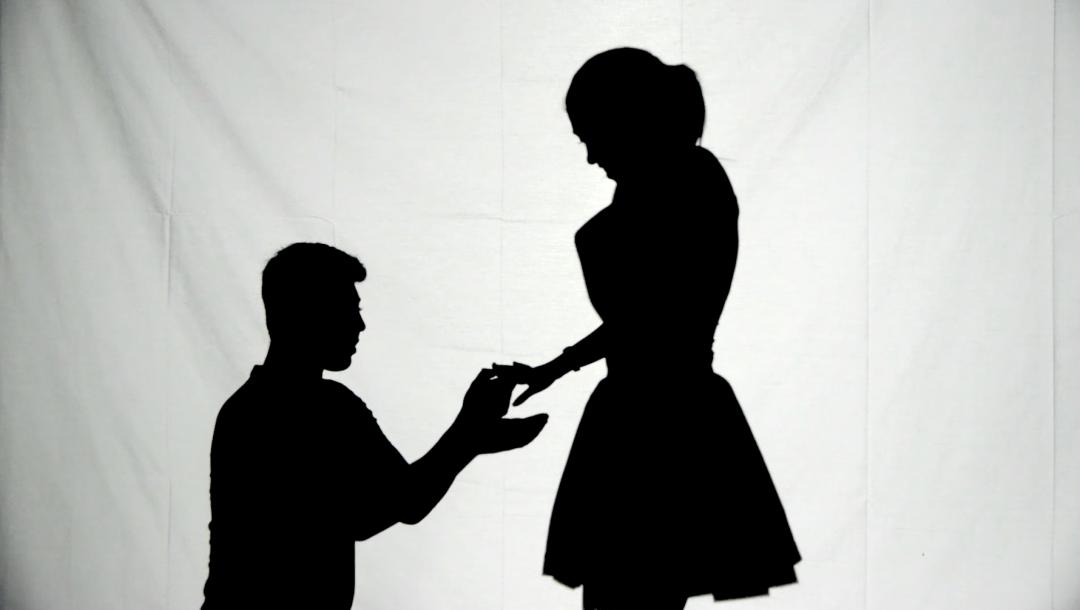
In a single shot of up to two minutes, a group of students tell a simple story with a clear beginning, middle, and end. The project takes its name from the first films by the 19th-century pioneers of early cinema, Pierre and August Lumière. The focus, here, is on mise-en-scène, an essential concept in the art of filmmaking. Students are challenged to carefully arrange all the elements that appear within the shot itself - camera movement, composition, blocking of actors, props, and lighting - to most effectively and creatively tell their stories.
Edwin Porter was one of the first filmmakers to consider the possibilities of editing shots together in a continuous fashion. He led the way in creating the illusion of "continuity," where material shot over the course of days or weeks looks, once it is cut together in sequence, as if it all flows together over the course of minutes. His famous film, The Great Train Robbery, is the inspiration for this second film, where students explore the same issues Porter faced, and make a 3-4 minute film that focuses on continuity. Students have four hours to shoot this film and one day to edit.
Perhaps the greatest and most innovative filmmaker that America has produced, Stanley Kubrick made one masterpiece after another over his five decade career. He set the standard for cinematic excellence in a multitude of genres, combining staging, lighting, set design, acting, and editing to create a radical new vision of what film can do. With films such as "2001: A Space Odyssey," "Dr. Strangelove," "Barry Lyndon," "Lolita," "The Shining," and "Full Metal Jacket," Kubrick proved himself again and again to be a master of his craft. For their third film, a 4-5 minute project, we challenge SOCAPA students to take everything they have learned in the previous weeks and to forge their own masterpiece. Students have a full day to shoot this film and two days to edit.


Students at our Los Angeles summer campus enjoy the advantages of being in the heart of the entertainment capital of the world. Chosen as home base by the film industry because of its nonstop sunshine and beautiful scenery, Hollywood, California, has become synonymous with making movies. SOCAPA's summer camps in LA are held at Occidental College, known as the Princeton of the West.
Los Angeles Campus Details
SOCAPA is headquartered year-round in the heart of Greenwich Village, where we share studio space with Playwrights Horizon Theater School, under the auspices of NYU Tisch School of the Arts. In the summer, we expand our Film & Photography programs to TNS' University Center, envisioned as a campus within a building, featuring numerous screening rooms, Mac Labs, film and photo studios, and a bustling cafeteria.
New York City Campus Details
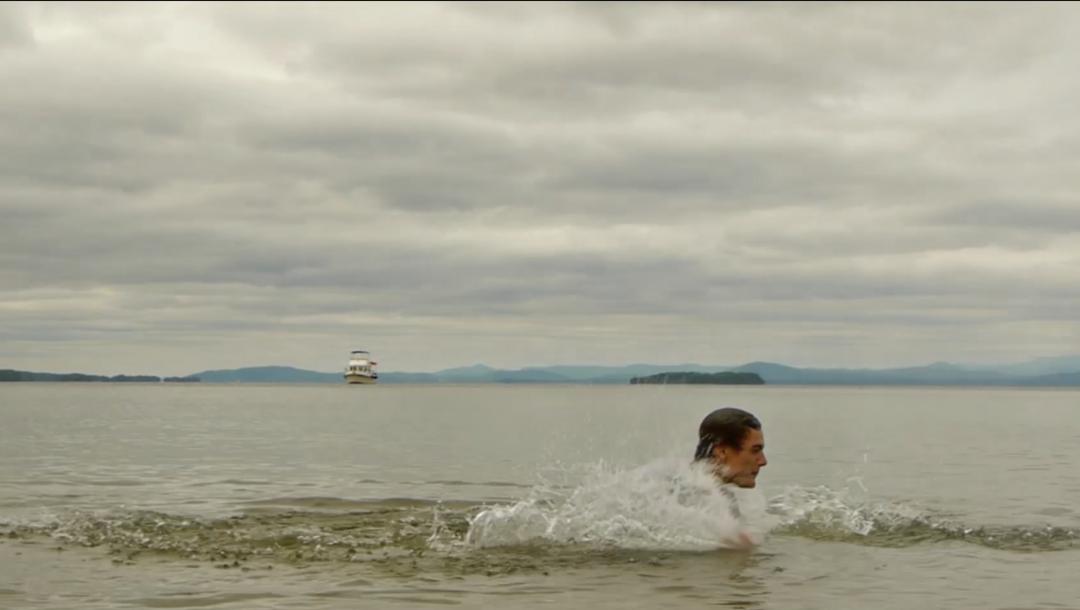
SOCAPA's Vermont campus is hosted at Champlain College, situated in the picturesque city of Burlington. The Champlain College campus is perched in the historic Hill Section, overlooking the breathtaking Lake Champlain and the surrounding Adirondack Mountains. A short walk down the hill and students are immersed in the vibrant arts scene of downtown Burlington.
Vermont Campuses DetailsIf you have any questions, please send us a message. We will contact you ASAP.
Manhattan Campus


Los Angeles
Chicago
Burlington, VT